Every fall, East Bay residents brace for the same challenge — Diablo winds and saturated soils that turn healthy trees into potential hazards. While we can’t control the weather, we can control how prepared our trees are before storm season arrives.
At Evergreen Tree Care, our certified arborists see a clear pattern year after year: properties that invest in proactive fall pruning experience fewer emergencies, lower costs, and far less stress once the winds pick up.
Why Fall Brings Higher Tree Risks in the East Bay
The East Bay’s fall and early winter months are a perfect storm of conditions that increase the risk of tree failure. When the first strong winds follow weeks of early rain, root zones soften, and trees lose stability. Even well-established oaks, pines, and sycamores can fail when heavy canopies catch the wind like sails.
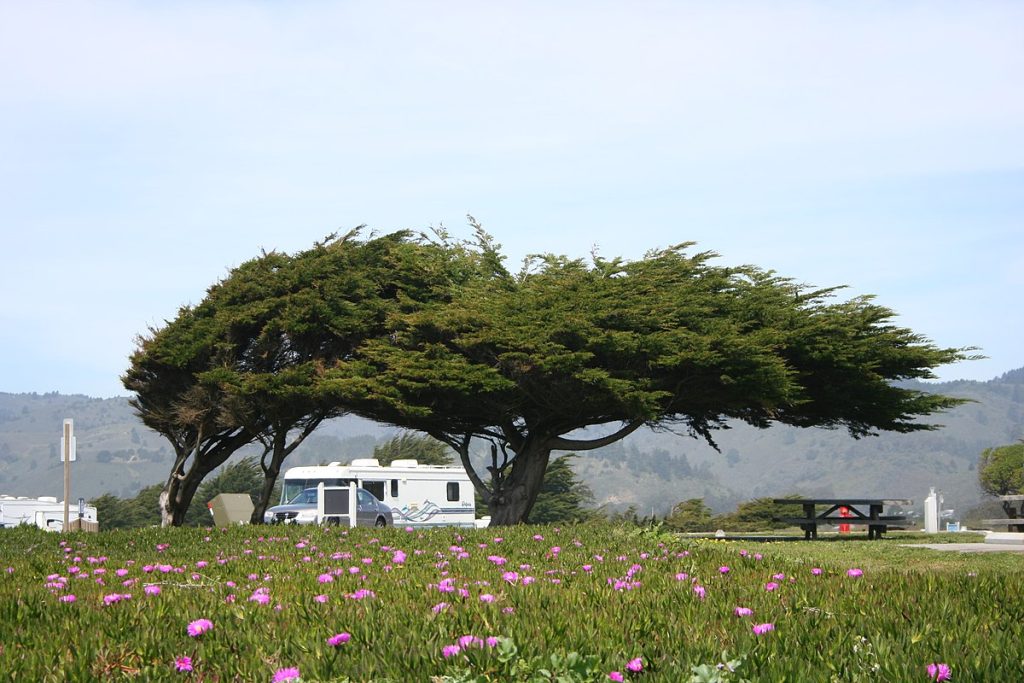
Diablo winds, in particular, are notorious for their intensity — often gusting over 60 mph in the hills. These dry, warm winds can cause branches to snap or entire trees to uproot, especially if they’ve been weakened by decay, improper pruning, or past drought stress.
The danger isn’t just to trees themselves — it’s to homes, vehicles, fences, and nearby power lines. That’s why fall is the most important time of year for hazard inspections and structural pruning across Contra Costa County.
The True Cost of Emergency Tree Work
When a storm hits and a tree fails, emergency service becomes the only option. Unfortunately, that often means:
- Higher costs: Emergency removals require rapid response crews, specialized equipment, and nighttime or weekend labor rates.
- Scheduling delays: During major wind events, arborists are triaging dozens of emergency calls at once.
- Increased safety risks: Working around downed power lines or unstable trees is far more dangerous for both property owners and crews.
Many homeowners and HOAs who delay pruning discover that the cost of a 2 a.m. removal far exceeds that of preventative maintenance. A single emergency call can cost as much as several years of proactive pruning — with none of the peace of mind.
How Proactive Fall Pruning Helps
Pruning before the storms arrive gives your trees structure, balance, and resilience. Strategic canopy thinning reduces wind resistance, while selective limb removal improves weight distribution and visibility for hidden defects.
Here’s what proactive pruning accomplishes:
- Removes hazards before winds hit: Dead or overextended limbs are more likely to break under wind pressure.
- Reduces canopy weight: Lighter crowns reduce strain on trunks and roots when soil is saturated.
- Improves overall stability: Trees with balanced canopies are less likely to topple or split during gusty conditions.
- Protects people and property: Early pruning keeps branches clear of roofs, vehicles, and utilities.
For larger properties or HOAs, Evergreen also recommends seasonal inspections to document tree health, identify early signs of decay, and prioritize trees that pose the greatest risk.
Real Savings: One Call vs. Multiple Emergencies
Every fall, we hear a similar story: one homeowner schedules pruning before storm season, while a neighbor waits until “after the first rain.” When Diablo winds hit, the pruned property weathers the storm — while the unpruned trees next door lose major limbs or require full removals.
The difference comes down to timing and prevention. Proactive pruning is predictable, budget-friendly, and keeps your landscape healthy. Emergency work, on the other hand, is reactive, costly, and can cause secondary damage to lawns, irrigation, and hardscapes during cleanup.
The message is simple: a pruning today could save you from a 2 a.m. emergency call tomorrow.
Why November Is the Best Time to Act
By mid-to-late November, East Bay trees are beginning to slow their growth, making it the perfect window for structural pruning. Conditions are stable, arborists can see the canopy clearly, and there’s still time to act before winter storms intensify.
For the best results, our team recommends scheduling your fall inspection and pruning as part of a full storm-prep plan. If needed, we can also support long-term stability with soil conditioning, cabling, or growth regulation for trees with chronic stress.
The Bottom Line
Each year, storm season puts East Bay trees to the test — and the results depend on how you prepare. Preventative fall pruning protects your investment, reduces liability, and spares you the disruption of emergency removals.
Don’t wait for the next wind advisory to find out which branches are weak. With a professional pruning plan, you’ll have peace of mind knowing your trees — and your property — are ready for whatever this winter brings.
Contact Evergreen Tree Care for Pruning Services
Every year, East Bay property owners face the same test: when the first big storm rolls through, will their trees hold strong — or become tomorrow’s emergency call?
Proactive pruning is the simplest, most effective insurance you can buy for your landscape. It protects your property, reduces liability, and preserves the health and beauty of your trees for years to come. Compared to the chaos and cost of emergency removals, a scheduled fall pruning is calm, controlled, and cost-efficient. Contact Evergreen Tree Care today at 925-825-8165 to schedule your fall inspection and pruning.