If you’ve noticed your tree’s leaves turning yellow, it’s natural to be concerned. In the East Bay, this is one of the most common questions homeowners ask.
The key thing to understand is this: yellowing leaves are a signal, not a diagnosis.
Let’s walk through what it means, what causes it locally, and what you should do next.
What Yellowing Leaves Really Mean
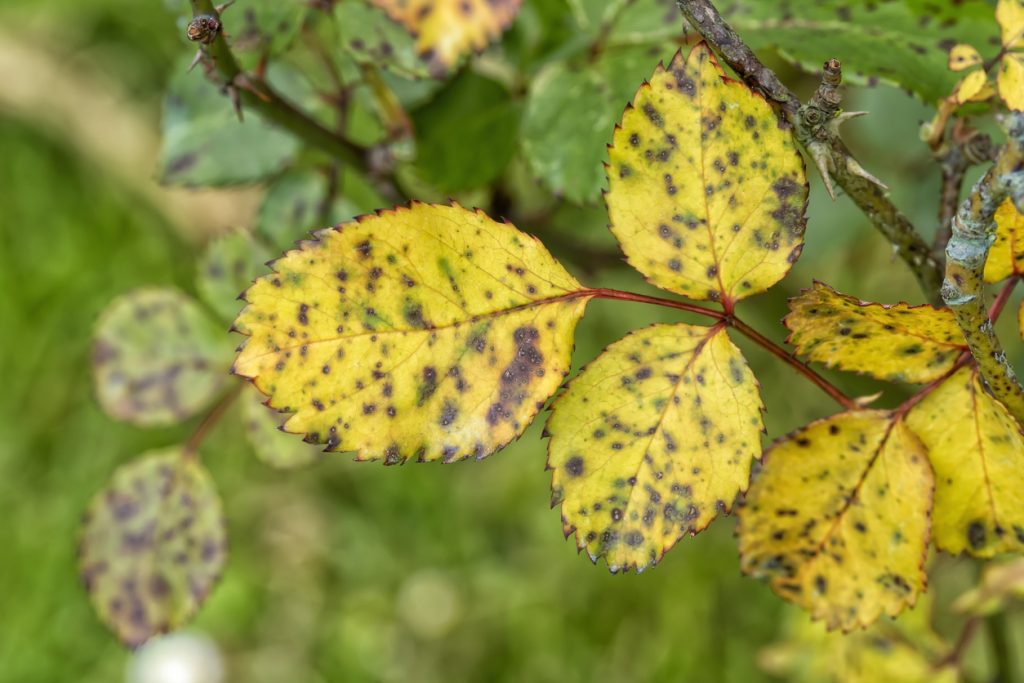
Yellowing leaves, also known as chlorosis, typically indicate that your tree is under stress.
That stress could come from several factors, including water, soil, roots, or pests. In many cases, it’s not an emergency, especially if caught early.
Trees are long-term assets. When something changes in their environment, they often respond gradually.
The goal is to identify the cause before the stress compounds into bigger issues like canopy thinning or dieback.
Most Common Causes of Yellow Leaves in the East Bay
Local conditions in Contra Costa County play a major role in why trees develop yellow leaves. Here are the most common culprits:
1. Water Imbalance
Both overwatering and underwatering can cause leaves to yellow.
- Too little water: Common during dry summers or irrigation gaps
- Too much water: Heavy clay soils can trap moisture and suffocate roots
East Bay soils often drain poorly, so even “normal” watering can sometimes be too much.
2. Nutrient Deficiency (Iron Chlorosis)
Iron chlorosis is especially common in our region.
- Leaves turn yellow while veins remain green
- Often caused by alkaline, compacted clay soils
- Prevents roots from properly absorbing nutrients
This is a soil issue, not just a fertilizer issue.
3. Soil Compaction
Urban and suburban properties frequently have compacted soil from:
- Foot traffic
- Construction
- Equipment use
Compacted soil limits oxygen and water movement, making it difficult for roots to function properly.
4. Early Pest Activity
Certain pests can trigger yellowing leaves early in the season:
- Aphids and scale insects
- Sap-feeding insects that weaken foliage
- Sticky residue or black sooty mold may also appear
These are common ornamental tree issues across the East Bay.
5. Root Stress from Past Drought
Even if your tree looks fine structurally, past drought years may still be affecting it.
- Reduced root mass
- Limited ability to uptake water and nutrients
- Delayed stress response showing up as yellowing leaves
This is especially common in mature oaks, sycamores, and pines.
How to Narrow Down the Cause
The pattern of yellowing tells you a lot. Here’s how to start diagnosing what’s happening:
Look at the Entire Tree vs. One Area
- Entire tree yellowing: Likely water or soil-related
- Single branch or section: Could be localized root damage or pest activity
Compare New Leaves vs. Old Leaves
- New leaves yellowing first: Often nutrient deficiency
- Older leaves yellowing first: Could be water stress or seasonal adjustment
Check for Uniform vs. Patchy Yellowing
- Uniform yellowing: Systemic issue like irrigation or soil
- Patchy or blotchy: Often pests, disease, or localized root problems
This type of observation helps narrow things down before jumping to solutions.
What Homeowners Should Do First
Before making major changes, take a step back and assess the basics.
Check Your Irrigation
- Is your tree getting deep, infrequent watering?
- Has watering changed recently?
- Is water reaching the root zone or just the surface?
Evaluate Soil Conditions
- Does water sit on the surface after irrigation?
- Is the soil hard and compacted?
- Are roots exposed or restricted?
Avoid Overcorrecting
This is one of the most common mistakes.
- Don’t suddenly double watering
- Don’t apply random fertilizers
- Don’t prune heavily to “fix” the issue
Trees respond best to measured, targeted solutions.
When to Call a Certified Arborist
Sometimes yellowing leaves are the first sign of a more complex issue.
You should consider bringing in an arborist if you notice:
- Worsening canopy thinning
- Branch dieback developing
- Multiple symptoms at once (yellowing + pests + poor growth)
- No improvement after adjusting watering
An ISA Certified Arborist can evaluate soil, roots, and overall tree health to identify the exact cause and recommend the right treatment plan.
The Bottom Line
Yellow leaves don’t automatically mean your tree is dying.
In the East Bay, they’re often tied to soil conditions, water management, or lingering stress from past drought cycles.
The earlier you identify the cause, the easier it is to correct.
FAQs
Why are my tree leaves turning yellow in summer in California?
Summer yellowing is often related to water stress, either too much or too little, combined with heat and soil conditions common in the East Bay.
Can yellow leaves turn green again?
In most cases, existing yellow leaves won’t recover. The goal is to improve conditions so new growth comes in healthy and green.
Is yellowing always a nutrient problem?
No. While nutrient deficiencies like iron chlorosis are common, water, soil compaction, and root stress are just as frequent causes.
Should I fertilize a tree with yellow leaves?
Not immediately. It’s important to diagnose the cause first. Fertilizing without addressing soil or water issues may not help.
How do I know if pests are causing yellow leaves?
Look for signs like sticky residue, visible insects, or black mold on leaves. These often indicate aphids or scale activity.
Don’t Ignore Yellow Leaves — Catch the Problem Early
If your trees are showing signs of stress and you’re not sure what’s causing it, a professional evaluation can save time and prevent long-term damage.
Call us today at 925-825-8165 to schedule your consultation or contact us online.
Evergreen Tree Care has been helping East Bay property owners protect and care for their trees for over 40 years with ISA Certified Arborists and Plant Health Care expertise.